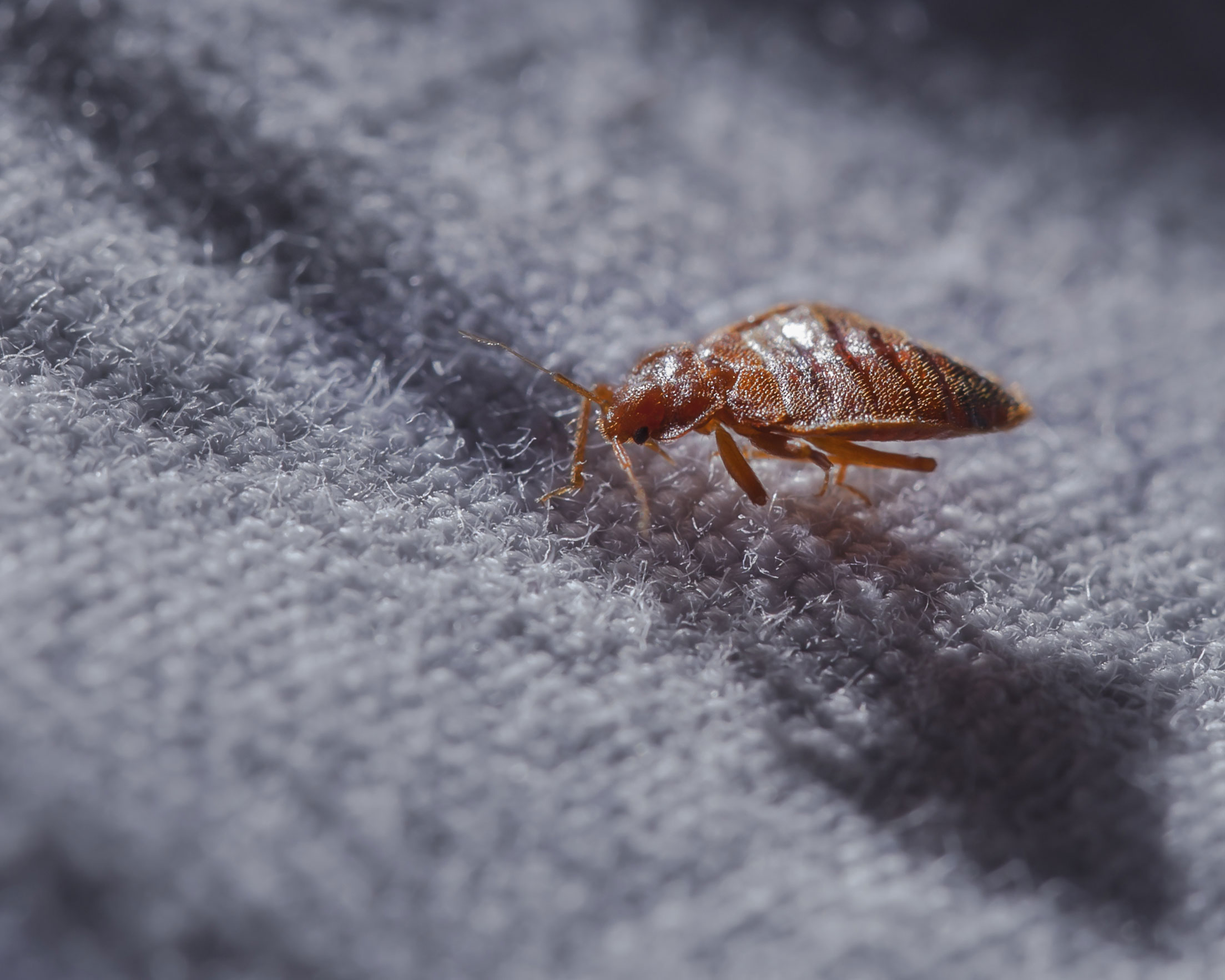
No Signs Of Bed Bugs But I Have Bites – What’s Happening?
It is not uncommon for people to experience skin irritation and bites, only to find no signs of bed bugs. This can be a worrying situation, as it is difficult to determine the source of the problem. Bed bugs have become increasingly pressing in recent years due to their fast-spreading nature and difficulty controlling them. To make matters worse, diagnosing bed bug infestations can be complicated, as they often remain undetected until the problem becomes severe. Consequently, it is imperative to understand what may be causing skin irritation and bites when no signs of bed bugs are found.
Identification of bites
Bites can be terrifying, especially when there are no signs of bed bugs. With no signs of bed bugs, one may desperately seek answers and relief from relentless itching and discomfort. Although bed bugs are among the most common suspects for mysterious bites, there are several other potential causes that should not be overlooked. You should first observe bite patterns and locations on the body. If they are clustered in a line, this could indicate a spider bite or an allergic reaction to something touched or eaten. Bites may also appear as large welts or hives if there is an allergic reaction at play. Mosquito, flea, tick and mite bites usually appear in small clusters rather than individual marks; these pests often feed multiple times until they are full, resulting in more than one bite mark per feeding session.
Common bite causes
Bed bugs can bite without bed bugs. There are many other potential causes of bites that can be identified without a pest professional. For example, mosquitoes, fleas, and other arthropods may cause bite-like reactions on the skin. Allergic reactions to foods, medications, and household products such as detergents can also manifest as bite-like symptoms. Therefore, it is imperative to consider all potential sources when determining the cause of your bites. In some cases, bite-like reactions are not easily identifiable. Unknown allergens or irritants can provoke an immune response that manifests itself as bites or rashes on the skin. Consulting with a medical professional may be necessary in these situations to determine what is causing your symptoms.
Possible infestations with no signs of bed bugs
Bed bugs are one of the most dreaded pests in infestations. People can have no signs of bed bug infestations, but still experience bites. Individuals may not know they have an infestation until they have bite symptoms. This can create a troublesome situation, as bed bugs can quickly spread and cause serious health problems. It is possible that another insect such as fleas or mosquitoes could be responsible for the bites. Other possible causes include allergies, skin reactions, and non-insect-related irritants such as dust mites or pet dander. If none of these other potential causes can be identified, it is worth investigating further to determine if there is a bed bug problem present in your home or environment.
How to inspect for signs of bed bugs
Inspection for signs of bed bugs is a crucial step towards preventing and controlling infestations. It involves examining the environment, particularly bedding and furniture, to locate potential signs of bed bugs. These signs include molted skin, egg shells, feces or live insects. To perform an inspection effectively, it is necessary to use appropriate equipment, such as a flashlight or magnifying glass. It is also necessary to know likely hiding spots. It is imperative to note that bites may not necessarily indicate bed bugs since they can indicate other pests or skin conditions. However, if one suspects bed bugs despite no visible evidence during inspection, there are steps to increase detection chances.Additionally, using glue boards in strategic locations around suspected areas can trap active insects.
Prevention and treatment options
Prevention of bed bug bites is the effective way to avoid discomfort and is generally the most effective method of treatment. Bed bugs are difficult to detect, as they typically hide in cracks and crevices that are difficult to reach. However, there are some steps to reduce the risk of infestation. Regular vacuuming and laundering of bedding and linens can reduce bed bug populations in homes. Additionally, sealing potential entry points around windows and doors with caulking or weatherstripping can prevent them from entering a residence. Taking preventative measures such as regular vacuuming, laundering linens and sealing possible entry points can make a long way towards lowering your risk of being bitten by these irritating pests. With proper prevention and treatment methods in place, you can rest assured of bed bug protection.
Experiencing bites but no signs of bed bugs? Contact our experts today!
Bites can be caused by many insects. Therefore, if no signs of bed bugs are present but bites remain, it is critical to identify the source of the bites. Common causes include mosquitoes and fleas, as well as other insects found in the home. It is also possible that an infestation of bed bugs has been unnoticed due to lack of evidence. Therefore, inspection methods should be used to determine if bed bugs are present in the home or not. Recover your peace of mind and hire our expert
bed bug exterminators to inspect your home for signs of bed bugs!